
Productive Plantations. Sustainable Value.
We develop and manage spice estates across the Western Ghats belt — choosing the crop to suit the land, rather than the other way around.
Land First, Then the Crop
Every plantation failure we have been called in to fix started the same way: someone chose the crop before they understood the site. Cardamom planted below its elevation. Pepper on ground that holds water. Coffee under a canopy nobody had thinned in fifteen years.
So we begin the other way round. We look at elevation, aspect, rainfall, soil depth, drainage and the shade that is already standing — and then we say what the land will actually carry. Sometimes that is the crop the owner had in mind. Often it is not.
What follows is a phased programme: shade and water settled first, planting in stages, and a maintenance regime that keeps the estate productive long after the establishment work ends.


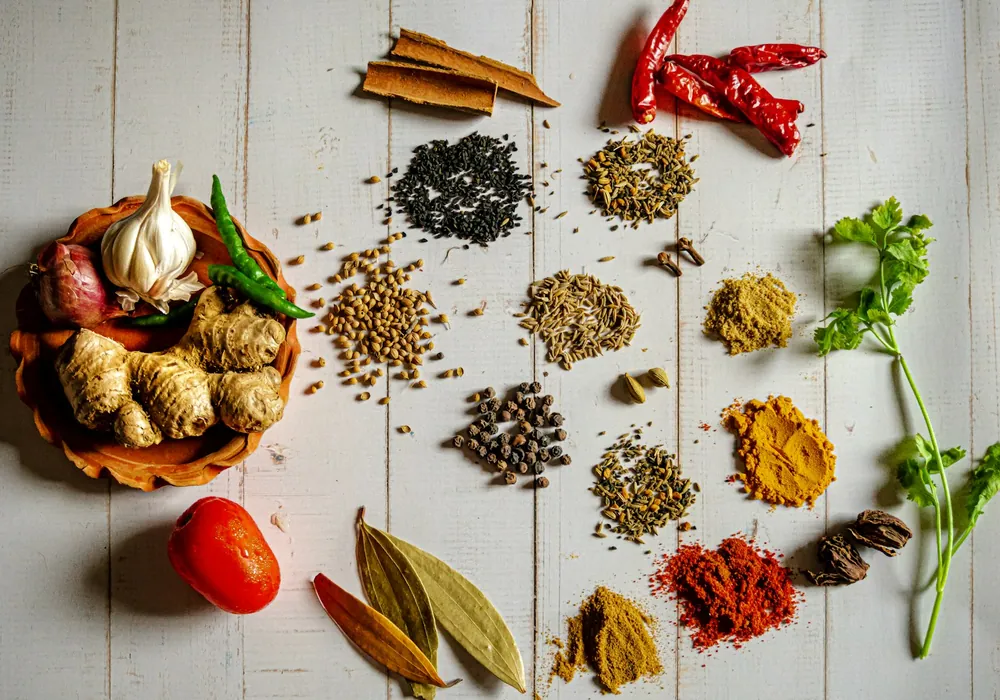
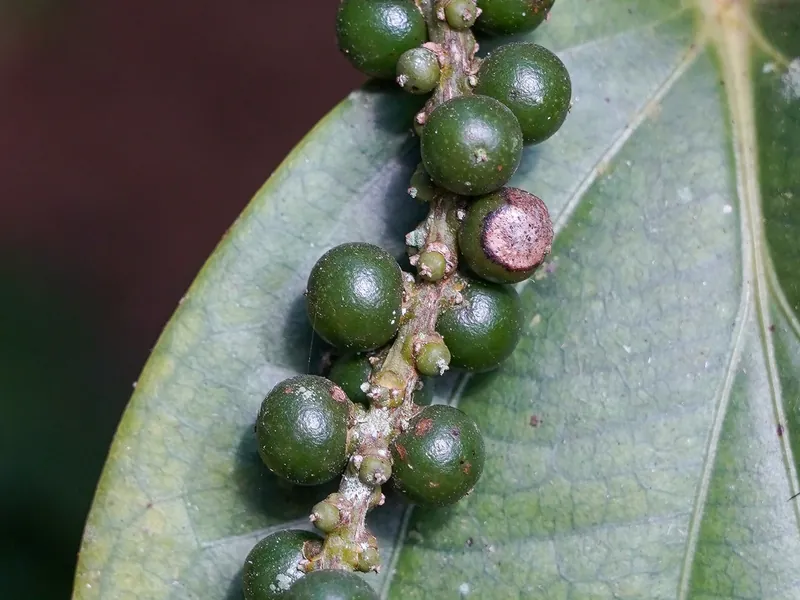
Black Pepper
Piper nigrum
The vine that made this coast famous, and still the most reliable companion crop on a South Indian estate.
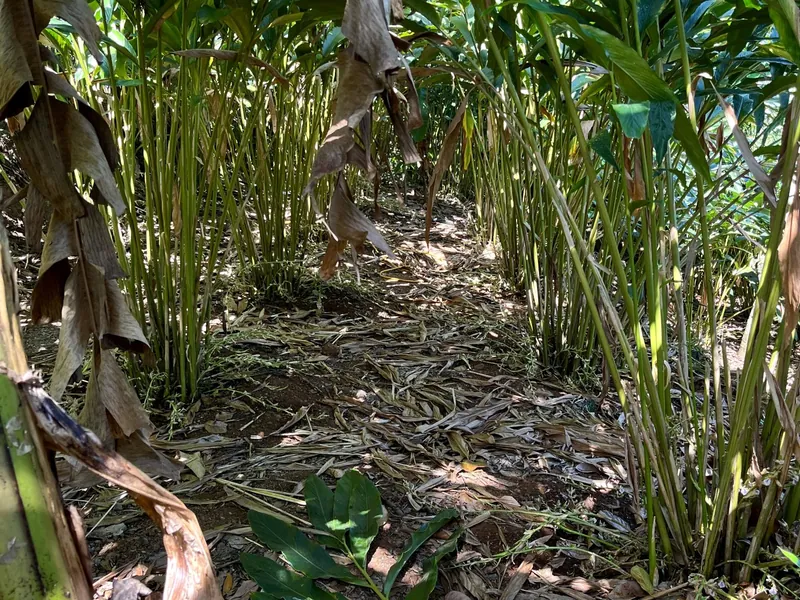
Cardamom
Elettaria cardamomum
The queen of spices — demanding about where it will grow, generous where the conditions are right.
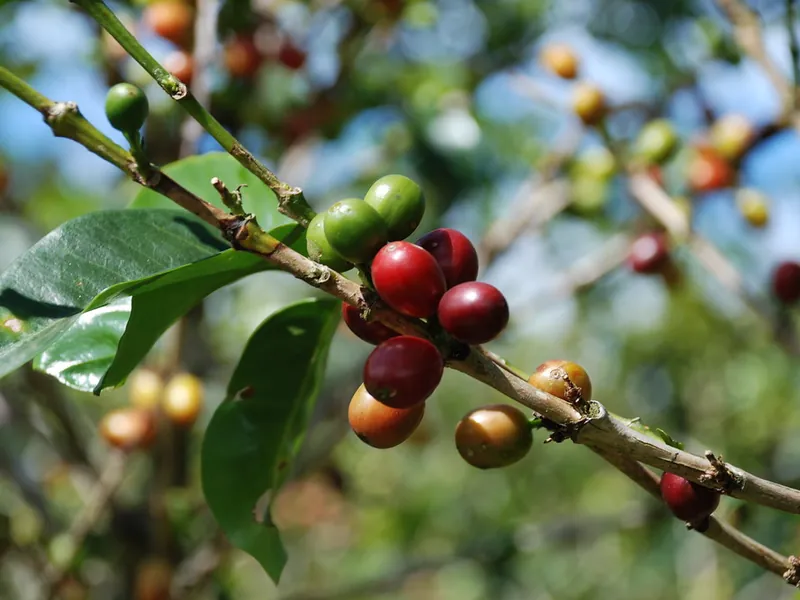
Coffee
Coffea arabica & Coffea robusta
The backbone crop of the estates in Coorg, Chikmagalur and the Nilgiris.
Clove
Syzygium aromaticum
A slow starter that repays patience for fifty years or more.
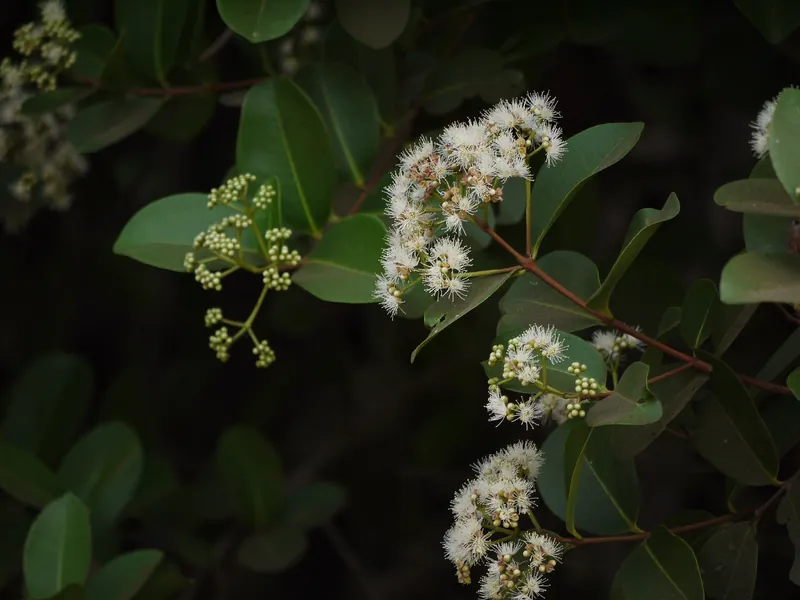
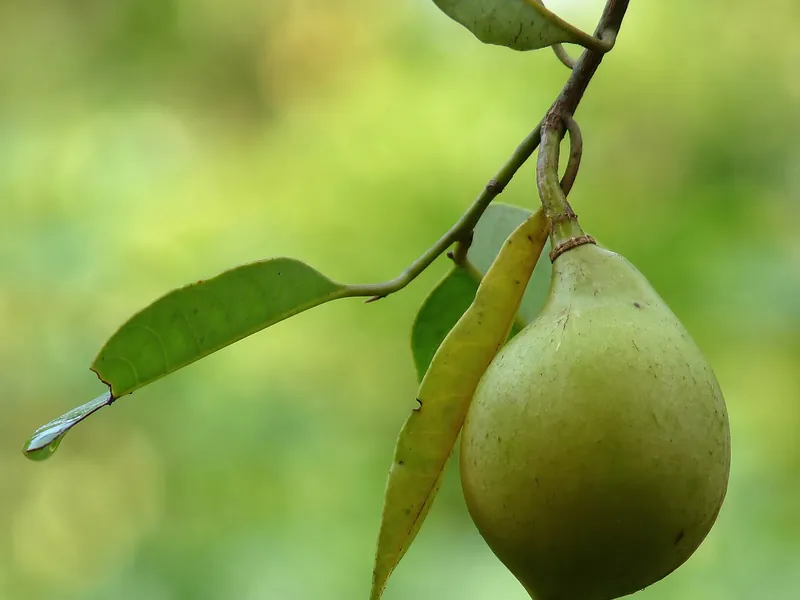
Nutmeg
Myristica fragrans
One tree, two spices — nutmeg and the mace that wraps it.
Cinnamon & Other Spices
Cinnamomum verum
The hardy crop for the edges of an estate — and the companions that go alongside it.

Plantation FAQ
The questions owners ask us most often before committing to a plantation programme.
Looking for Your Next Estate Investment?
Whether you are buying, selling, developing or managing an estate, our team can help you make an informed decision.